
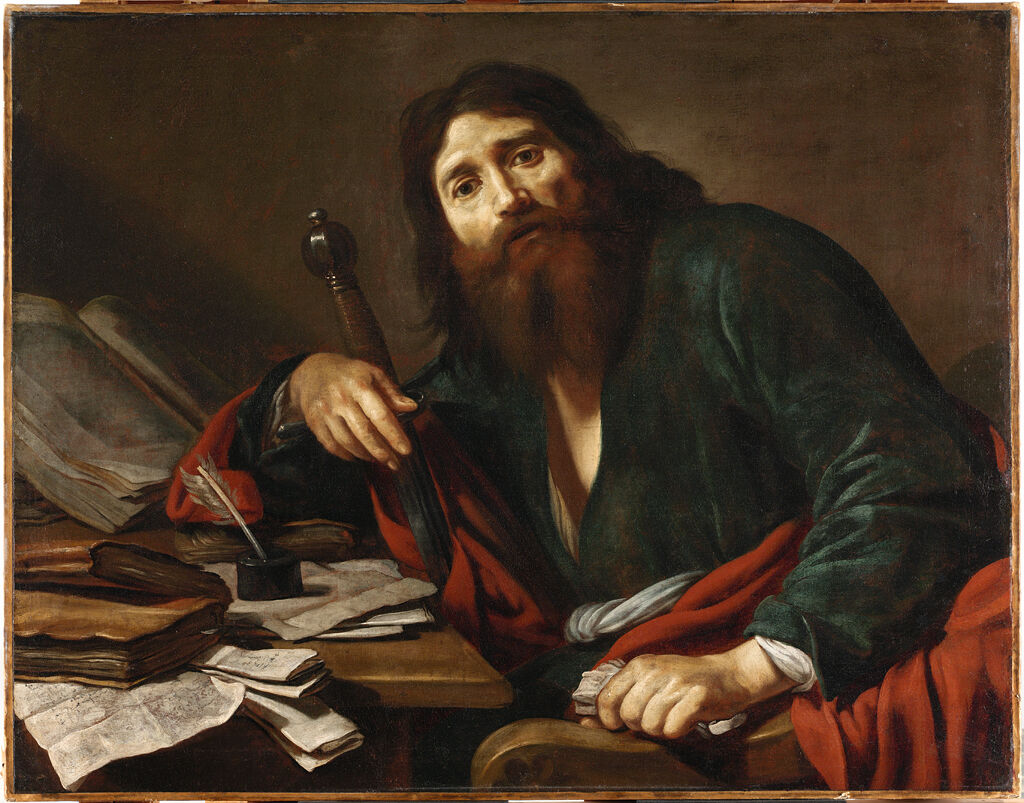
Please join me in prayer…
Lord God, may your peace and Holy Spirit fill this place. Open your scriptures to us, and may I clearly communicate that which you intend us to receive. May your Word take root and flourish within each and every one of us. Through it may we be strengthened and transformed by your unconditional, living, and limitless love for all of your Creation. In Jesus Name, Amen.
I’ve been thinking a lot about community recently. Especially communities of faith – such as ours, here at MCC. In our reading, Paul talks about what a community of faith is, and how to make it work.
In Paul’s time, Corinth was a young city of several hundred thousand inhabitants, rebuilt long after Rome destroyed the original city and all of its people.
Everyone was an immigrant, or descended from immigrants. The social hierarchy was still fluid and evolving. So, improving one’s social status was possible, unlike most Roman cities. This may be why many came to Corinth in the first place. But even so, there were great disparities in wealth, power, and privilege. Most of the population were slaves and freedman, and very poor. Some were newly wealthy, but often had a low social status due to their own humble origins.
Back then, Christians were seen as slightly bonkers (we still are). But we worship together regardless of class, which was very odd to folks back then, because it challenged the social norms of the time.
In Corinth at this time, there were perhaps 200 Christians over all, meeting in tiny house churches scattered around the city. Their members are known to include Jews, longtime Gentile believers, new converts, slaves, the wealthy, and perhaps a few soldiers and Roman officials as well. It was a tiny and diverse but fragmented, community of faith. They worshiped together, but their divergent perspectives and lives created friction.
Paul had to address problems that we still face today. People still talk at each other rather than with each other. People still seem unable to appreciate their neighbor’s points of view. Many don’t give credence to others’ perspectives including our own – if they hear us at all.
Continue reading “Sermon: Who We Are” The Here and the Hereafter